How loan units work
When a haemodialysis machine has to come off line for workshop repair, a loan unit can help the renal unit keep capacity in place. We handle the technical side of delivery, set-up and collection for registered facilities, with service records carried through properly.
When a loan unit is used
A loan unit is arranged when a facility machine needs to be removed for repair, further testing or parts replacement that cannot be completed safely on site. The aim is to limit disruption in the renal unit while the original machine is in the workshop. Loan units are supplied only to registered renal facilities and are never provided for home use.
Before a loan machine is sent out, our technician confirms the unit's need, checks compatibility with the intended treatment area and records the basic machine details against the service file. Clinical decisions, patient allocation and treatment settings remain with the renal unit at all times. Our role is strictly technical, not clinical.
- Temporary cover while a machine is in the workshop
- Support during extended fault tracing or parts replacement
- Continuation of unit capacity where practical
- Documented issue and return process for audit purposes
What is included with delivery and set-up
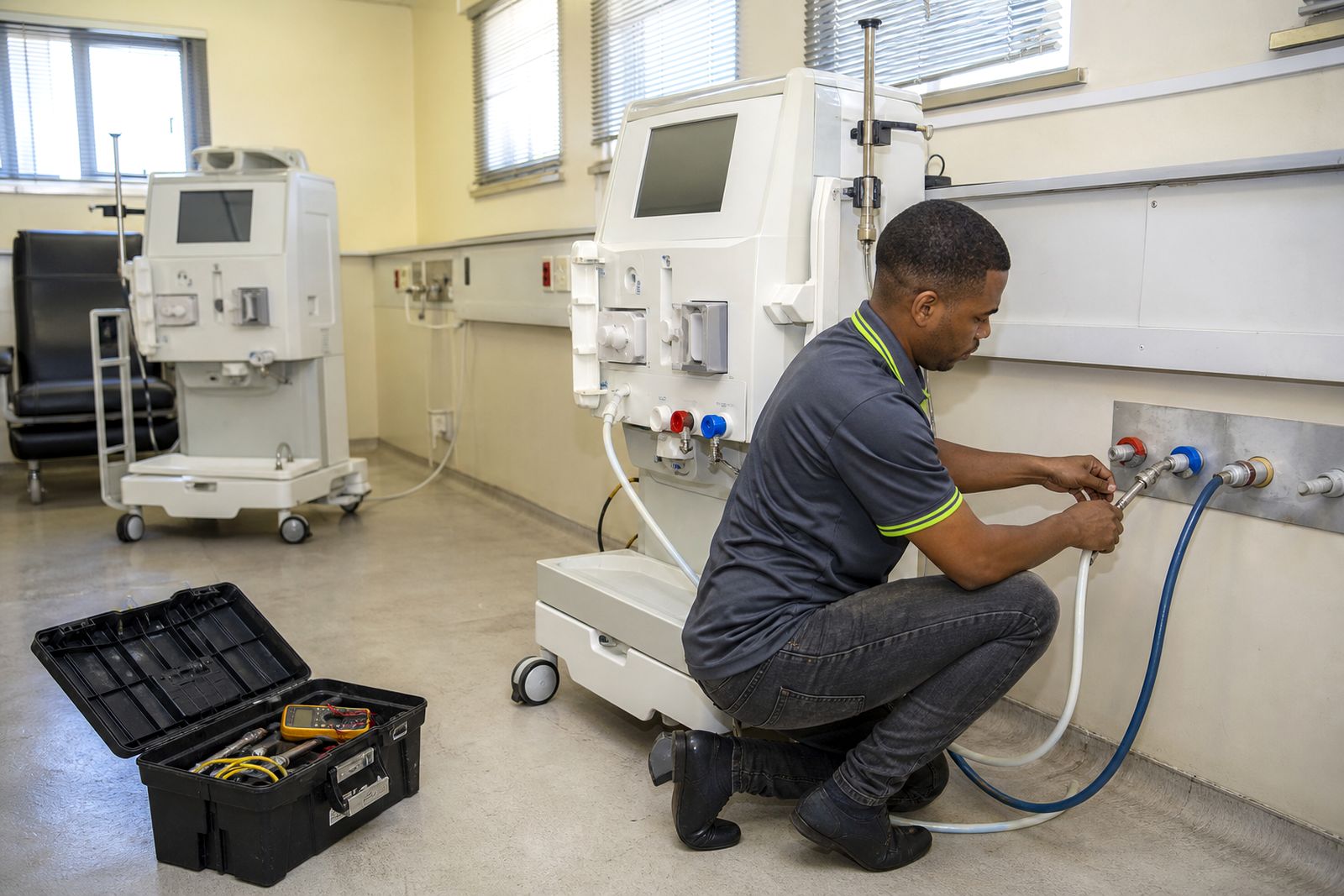
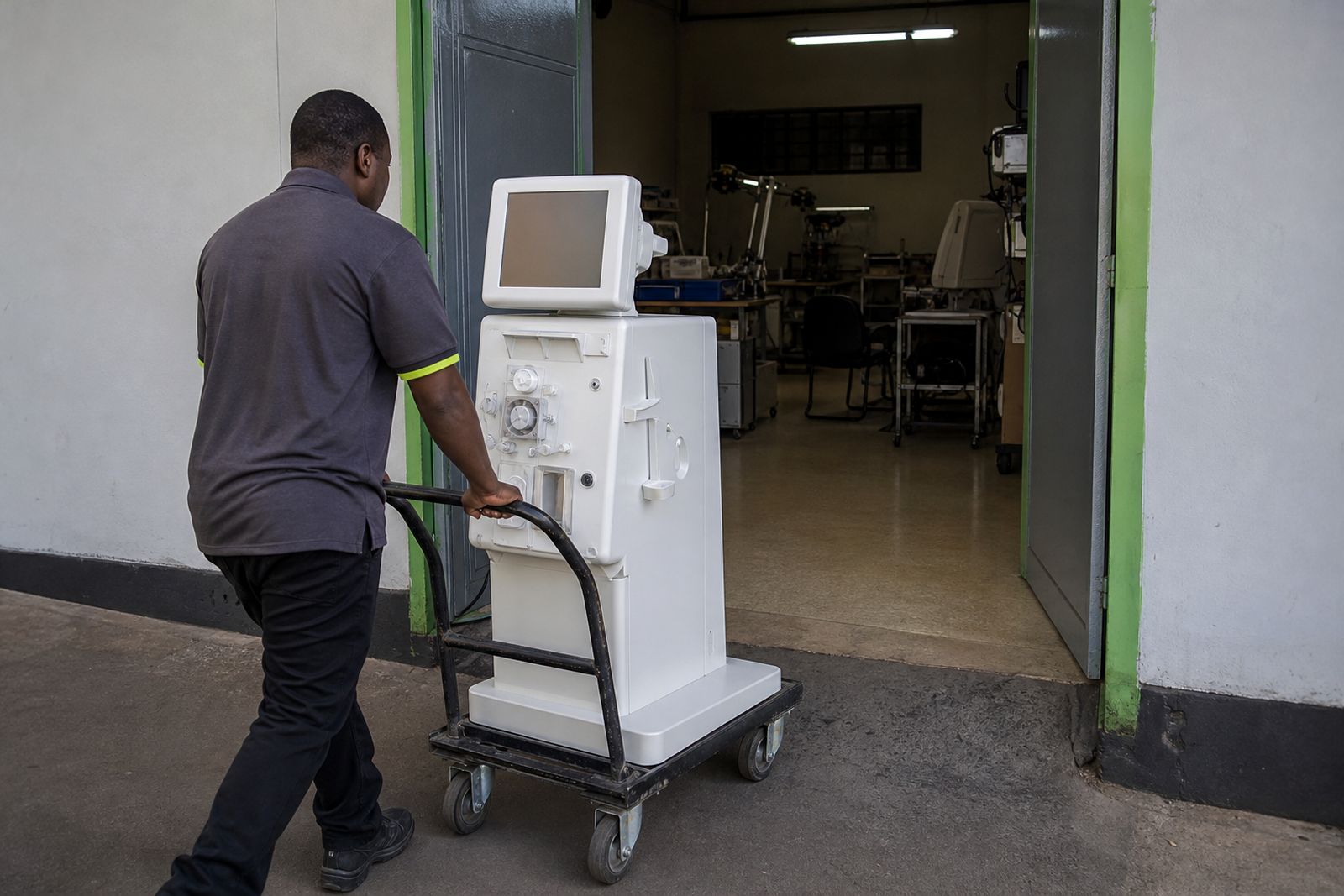
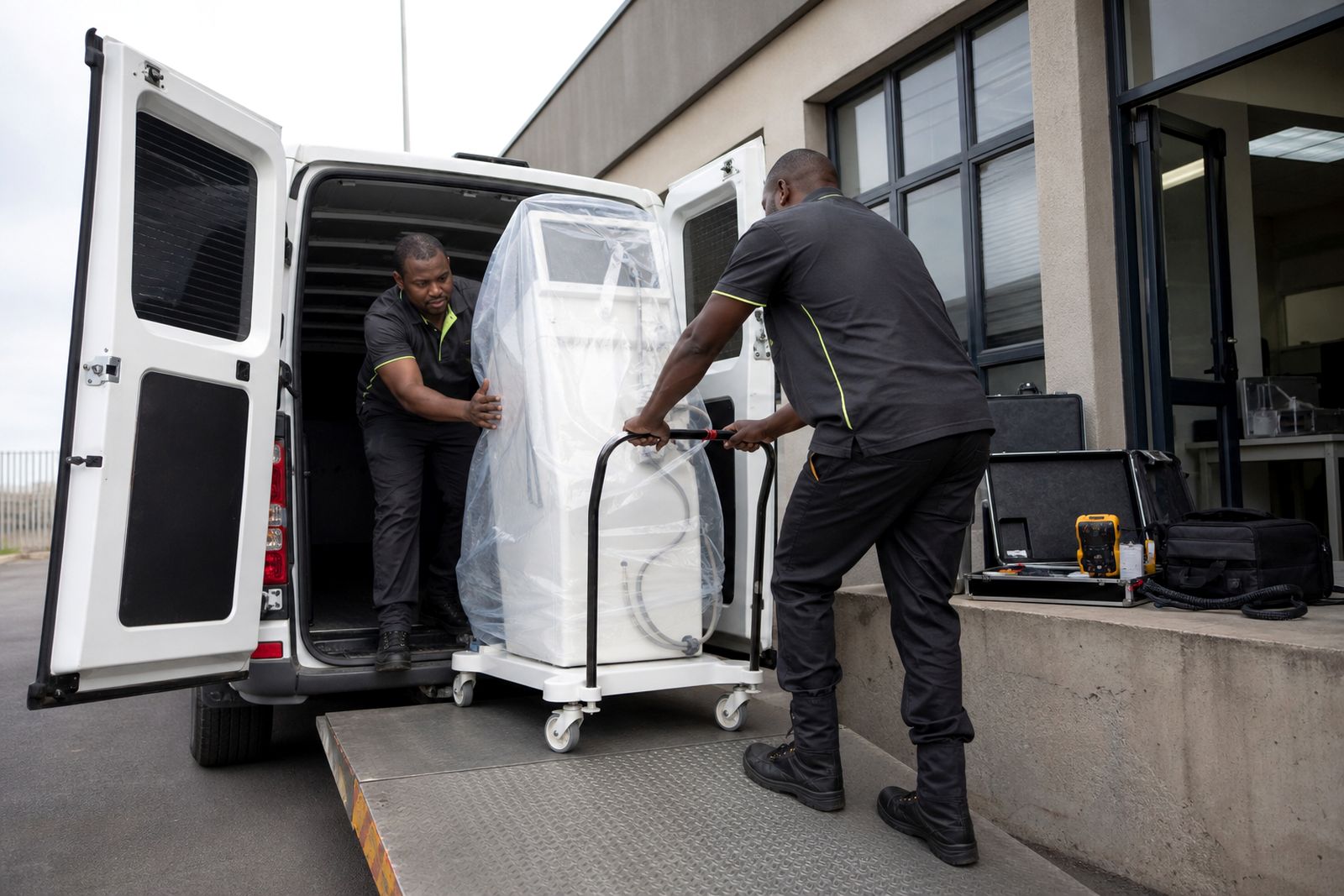
The loan-unit service covers the practical steps needed to place the machine into the unit correctly. The technician delivers the machine to the site, positions it in the agreed treatment area and completes the technical checks needed before handover to unit staff. If the unit has site rules for entry, loading bays, infection-control routing or after-hours access these should be confirmed in advance.
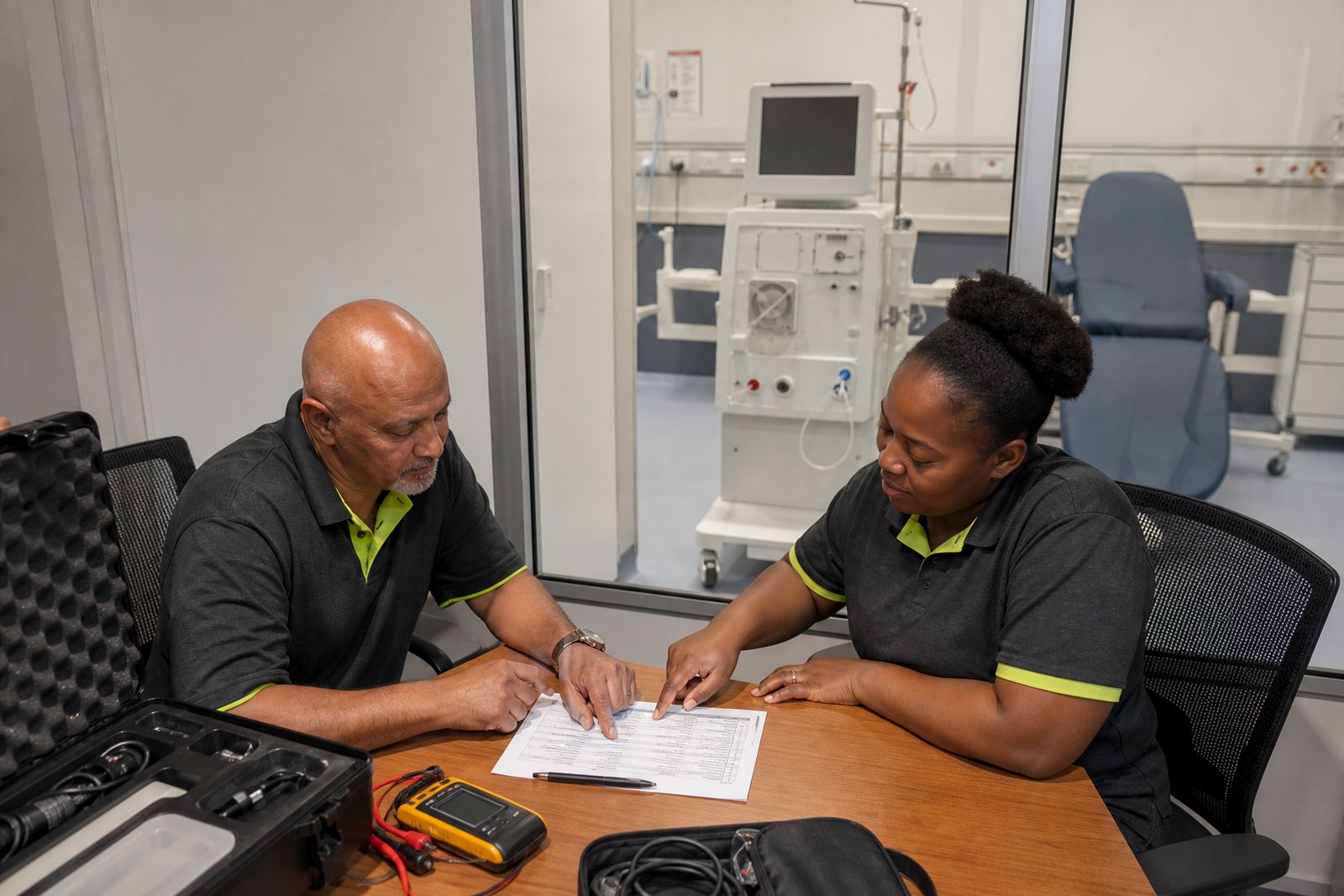
Set-up normally includes external inspection, connection checks, verification of power supply suitability and confirmation that the machine starts up correctly in the assigned space. Where required, we also note the machine identification details in the service record so the facility has a clear traceable record from dispatch to collection.
- Delivery to the registered renal unit
- Positioning in the agreed treatment bay or technical area
- Basic start-up and function confirmation
- Electrical safety check confirmation on the service record
- Issue documentation for the unit's records
Step by step from request to handover
The process starts once it is clear that the facility machine must be taken out of service. Our technician first logs the workshop job and confirms whether a loan unit is available for the period needed. We then arrange a suitable delivery window with the renal unit. For Gauteng sites this is usually coordinated directly with the charge nurse, unit administrator or technical contact. For sites further afield, transport timing and access details are confirmed beforehand.
On arrival, the technician checks where the machine will stand, verifies access to the power point and makes sure there is safe working room around the unit. The machine is then placed, checked and handed over to authorised staff. If the original machine is going back to the workshop at the same visit, the outgoing and incoming equipment records are cross-referenced so there is no confusion later.
Once the facility machine is repaired, tested and ready to return, collection of the loan unit is arranged with the unit. At collection, our technician inspects the machine, records its condition and removes it from site. This handover is simple but important, because it keeps the paper trail clean for internal checks and external audits.
What the renal unit must prepare
A smooth handover depends on the treatment area being ready before the technician arrives. The unit should make sure there is a clear route from the entrance to the machine position, including lifts, ramps or security checkpoints where relevant. In some Gauteng facilities this saves a lot of time especially where loading zones are busy.
The power point for the machine should be available and in sound condition, with no damaged sockets or loose adaptors. Water treatment, consumables, patient scheduling and any clinical readiness remain the facility's responsibility. If the machine will be placed in a coastal unit further afield, it helps to mention this beforehand so the technician can pay extra attention to connectors and storage conditions affected by humidity.
- A named unit contact for delivery and collection
- Clear access route and parking or loading instructions
- Available treatment space with suitable power supply
- Site rules for infection control, security and working hours
- Confirmation that only authorised staff will use the machine
How pricing is worked out
Loan-unit pricing is not handled as a flat one-size-fits-all amount. It is usually worked out from the scope of the workshop job, the distance to site, the transport involved and the expected period the loan unit will be away from our base in Germiston. If special access arrangements, repeat site visits or collection outside the normal route are needed, these may also affect the costing.
In general terms, the charges relate to availability of the loan machine, delivery and collection logistics, and any technical time needed for placement and handover. Where a machine is serving a site outside Gauteng, travel and planning become a bigger part of the total. The facility can request the detail through the enquiry form on the contact page and we will assess the requirement against the repair job.
Aftercare, records and collection
While the loan machine is on site, technical support remains tied to the same service file as the original repair where applicable. If the unit notices a technical issue, the matter should be reported through the facility contact so our technician can assess whether an on-site visit is needed or whether the machine should be exchanged. Staff should not open covers, attempt internal repairs or move the machine between sites without arranging it with us first.
When the repaired machine is ready to go back into service, we coordinate the return visit, reinstall the original unit where required and collect the loan machine. Final records note collection, visible condition and any follow-up points. This keeps the facility's audit trail complete and makes future service planning easier, even if the loan period was short.
- Technical support linked to the active service record
- Condition check at collection
- Removal of the loan machine from the facility register if required
- Clear close-out notes for audits and internal files
What our Dialysis Machine Servicing customers say
Verified Google reviews
Questions we get asked
Can a loan unit be supplied to a home patient?
No. Loan units are supplied only to registered renal facilities. We do not provide machines for home users.
Does the loan-unit service include clinical set-up?
No. We handle technical delivery, placement and machine checks only. Treatment decisions and clinical settings remain with the renal unit.
What happens when our repaired machine is ready?
We arrange a return visit, coordinate the handover, and collect the loan unit with the service records updated accordingly.
Also worth a look
Book a service or report a fault
Send a note through our contact form with your unit, the equipment involved and what you need, and a technician will contact you.
Open the contact form